
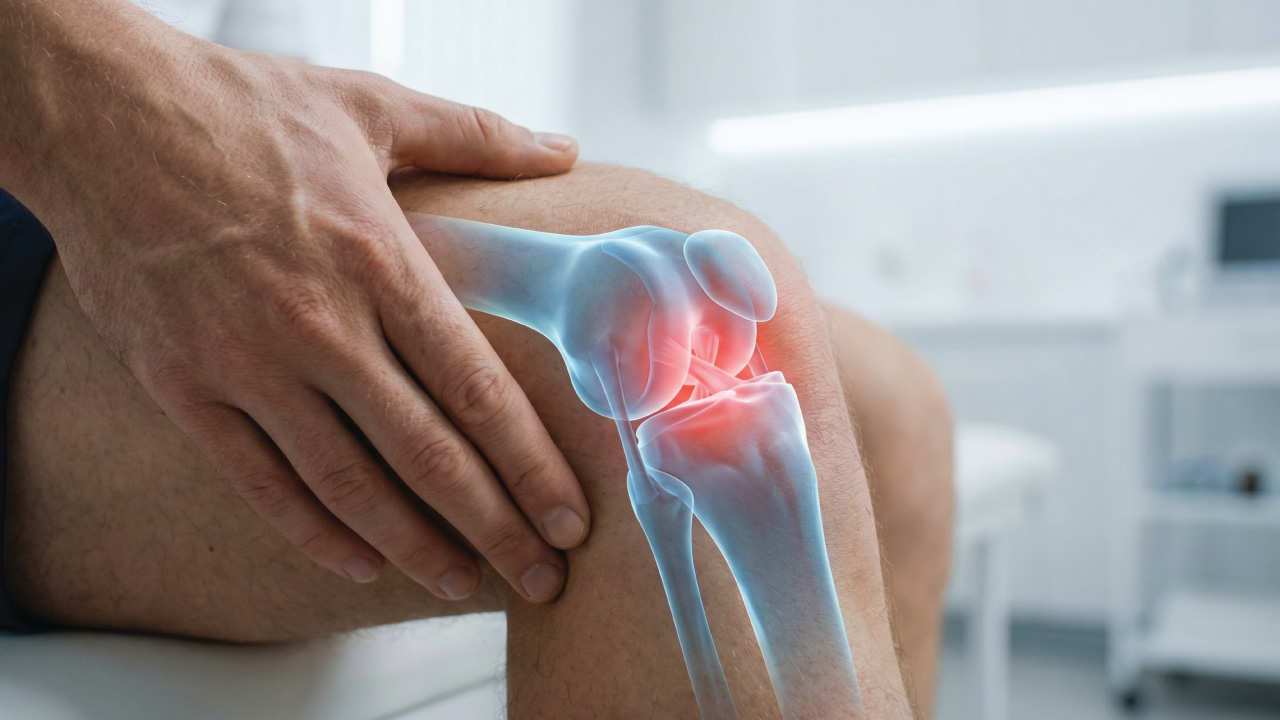
Osteoarthritis (OA) is one of the most common joint diseases affecting millions of people worldwide. Its onset is often gradual, and in the very early stages, patients may only notice mild pain, stiffness in the morning, or difficulty climbing stairs. This initially happens because the cartilage that protects bones inside the joints begins to weaken and wear out.
Unlike most tissues in the human body, cartilage does not heal easily because it has no blood supply. Once the damage begins, it typically progresses unless timely treatment is initiated. This is where modern regenerative medicine now offers hopeful solutions. In early stages of osteoarthritis, it is possible to improve cartilage health, reduce wear, and in some cases even help regenerate tissue.
According to joint preservation experts like Dr. Sumit Dubewar, early detection and intervention can significantly slow the disease and keep people active for years without requiring knee replacement surgery.
Why Does Cartilage Degenerate in Osteoarthritis?
Cartilage degeneration happens due to factors like:
- Age-related wear and tear
- Sports injuries or ligament instability
- Obesity causing excess joint load
- Genetic predisposition
- Previous fractures or joint infections
- Inflammatory joint conditions
As cartilage thins, bones begin to rub against each other causing pain, swelling, and loss of movement. While advanced osteoarthritis may require replacement surgery, cartilage regeneration therapies are most effective in the early phases, when damage is limited to a small region.
What Is Cartilage Regeneration?
Cartilage regeneration focuses on repairing damaged cartilage and slowing further loss. Instead of removing and replacing the joint, treatments aim to:
- Promote natural healing
- Stimulate new cartilage growth
- Reduce inflammation and pain
- Improve joint movement
- Delay or prevent knee replacement
These methods are minimally invasive and help patients return to regular activities faster. As Dr. Sumit Dubewar emphasizes, early intervention leads to better outcomes.
Best Cartilage Regeneration Treatment Options Available Today
1. Platelet-Rich Plasma (PRP) Therapy
PRP is created from the patient’s own blood. Platelets contain growth factors that promote tissue repair.
Benefits include:
- Reduction in joint inflammation
- Improvement in cartilage cell activity
- Better lubrication and reduced pain
- Suitable for mild to moderate osteoarthritis
PRP is safe and often used in competitive athletes who want faster recovery and long-term joint protection.
2. Stem Cell Therapy
Stem cells have the unique ability to transform into cartilage-forming cells.
How it helps:
- Repairs tiny cartilage defects
- Regenerates healthy tissue
- Enhances structural strength of the joint
- Delays disease progression
Stem cell therapy is a promising option for young and middle-aged adults with early osteoarthritis. Dr. Sumit Dubewar often recommends this when cartilage loss is limited but symptoms are significant.
3. Microfracture Surgery
- This arthroscopic procedure creates small holes in the bone below the damaged cartilage. This stimulates bone marrow cells to form new cartilage-like tissue.
- It helps in small, localized damage in younger patients, especially after sports injuries.
4. ACI and MACI (Cartilage Cell Transplant Procedures)
Autologous Chondrocyte Implantation (ACI) and Matrix-Induced Autologous Chondrocyte Implantation (MACI) involve growing the patient’s own cartilage cells in a lab and placing them back in the damaged region.
Ideal for patients under 50 with focal cartilage injuries and minimal arthritis. It is a specialized technique and offers long-lasting cartilage regeneration.
5. Viscosupplementation (Hyaluronic Acid Injections)
Although not a pure regeneration therapy, hyaluronic acid injections:
- Improve lubrication in the joint
- Reduce friction-related wear
- Relieve pain to support daily mobility
This can support the regeneration process when combined with other therapies.
Complementary Lifestyle Changes for Better Results
Treatments alone are not enough. A joint preservation plan recommended by specialists like Dr. Sumit Dubewar often includes:
- Weight reduction to reduce joint load
- Quadriceps and hip muscle strengthening
- Low-impact exercises like cycling and swimming
- Correction of knee alignment issues
- Nutritional support (Vitamin D, protein, omega-3 rich foods)
Adapting these habits enhances cartilage health and prolongs treatment benefits.
Who Is the Right Candidate?
Cartilage regeneration is best suited for patients who:
- Have early-to-moderate osteoarthritis
- Are active and want to delay major surgery
- Have localized cartilage damage from injuries
- Experience movement pain but preserved joint shape
If ignored, cartilage damage increases and treatment options reduce. So an early evaluation can help plan the right intervention.
How Successful Is Cartilage Regeneration?
Success depends on:
- Age of patient
- Severity of osteoarthritis
- Area and depth of cartilage loss
- Adherence to rehabilitation and lifestyle guidance
Most patients report:
- Better joint movement
- Reduced pain and stiffness
- Improved confidence in walking and exercise
- Ability to postpone or avoid knee replacement
Modern regenerative orthopedics has transformed the outlook for people diagnosed early. As Dr. Sumit Dubewar notes, preserving your own joint is always better than replacing it too soon.
Frequently Asked Questions
1. Can cartilage fully regrow in osteoarthritis?
In early stages, treatments can partially regenerate cartilage and slow progression. Complete regrowth is limited in advanced osteoarthritis.
2. Are PRP and stem cell therapies safe?
Yes, both use the patient’s own cells, making them biocompatible with minimal side effects.
3. How long do the results last?
Results may last from months to several years depending on activity level, body weight, and disease severity.
4. Do these treatments eliminate the need for surgery?
They can delay or avoid surgery if started on time, especially under expert guidance like that of Dr. Sumit Dubewar.
5. Is recovery quick?
Minimally invasive therapies allow faster return to daily activities compared to major surgery.
Conclusion
Cartilage regeneration has become a key focus in modern orthopedics as it allows patients with early osteoarthritis to stay active, reduce pain, and preserve their natural joints. Early diagnosis and timely treatment under experts like Dr. Sumit Dubewar are essential for achieving the best outcomes.
Why Consult Dr. Sumit Dubewar?
Because your joints deserve a specialist who focuses on preserving movement, restoring function, and delaying major surgeries with advanced regenerative treatments.
Take the first step toward stronger, healthier knees.
Book Your Appointment With Dr. Sumit Dubewar Today — Your Future Mobility Matters.


