
Joint pain is one of the most common complaints affecting people of all ages. Whether caused by osteoarthritis, sports injuries, or age-related wear and tear, persistent joint discomfort can significantly reduce quality of life. Traditional treatments like medications, physiotherapy, or surgery often provide temporary relief but may not address the underlying joint degeneration. This is where regenerative treatments have emerged as a promising solution for long-term joint health.
Regenerative therapies, including Platelet-Rich Plasma (PRP) therapy, stem cell therapy, and autologous conditioned plasma, focus on stimulating the body’s natural healing processes. By using the patient’s own cells or growth factors, these treatments promote tissue repair, reduce inflammation, and enhance joint function over time.
How Regenerative Treatments Work
1. Platelet-Rich Plasma (PRP) Therapy
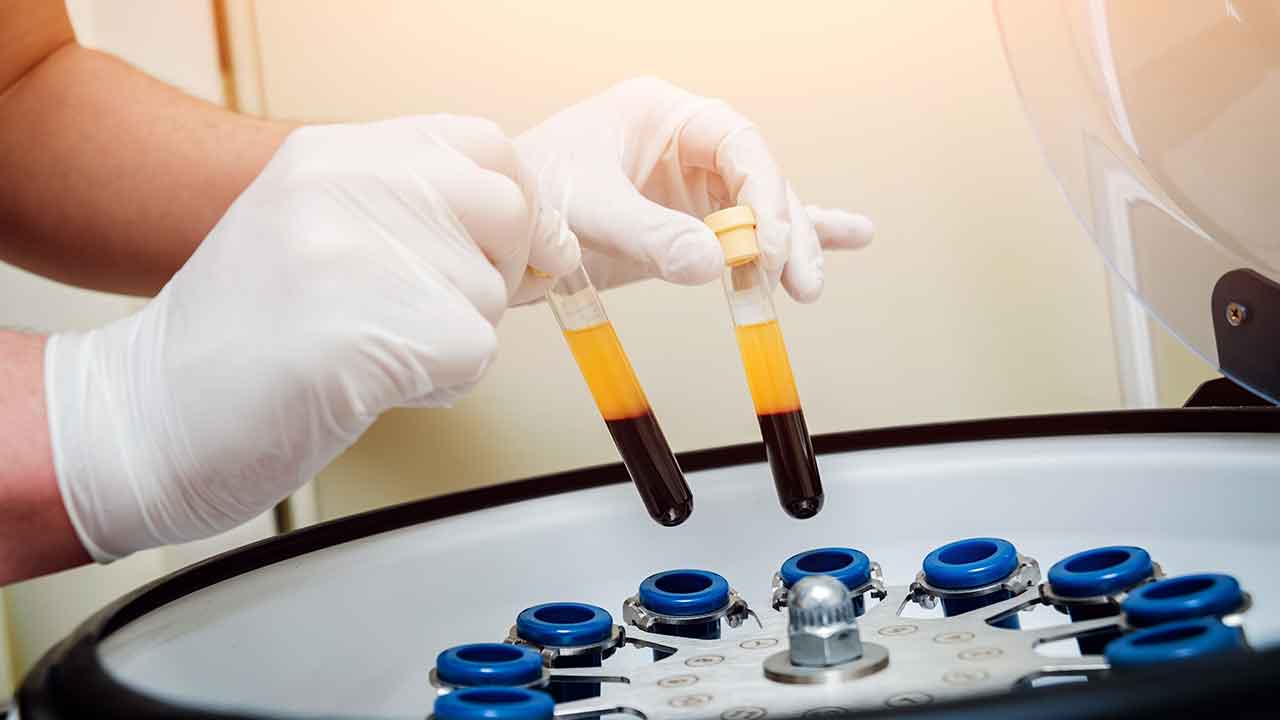
PRP therapy involves extracting a small amount of the patient’s blood, processing it to concentrate platelets, and injecting it directly into the affected joint. Platelets are rich in growth factors that stimulate tissue repair, reduce inflammation, and promote healing of cartilage, tendons, and ligaments.
2. Stem Cell Therapy
Stem cells, often derived from bone marrow or adipose tissue, have the unique ability to differentiate into various types of cells, including cartilage cells. When injected into a damaged joint, stem cells can contribute to tissue regeneration, potentially restoring the structural integrity of the joint over time.
3. Autologous Conditioned Plasma (ACP)
Similar to PRP, ACP uses plasma derived from the patient’s blood but with a different concentration of platelets and growth factors. This therapy focuses on modulating inflammation and promoting the repair of connective tissues.
Long-Term Benefits of Regenerative Treatments
1. Reduced Pain and Inflammation
One of the most immediate benefits of regenerative therapies is reduction in joint pain and inflammation. Unlike medications that mask symptoms temporarily, PRP and stem cell treatments work at the cellular level to calm inflammation and stimulate tissue healing. Over months, patients often experience sustained relief that can reduce reliance on painkillers.
2. Improved Joint Mobility and Function
As regenerative treatments promote repair of cartilage, tendons, and ligaments, patients gradually notice improved range of motion and better joint stability. Activities like walking, climbing stairs, or performing daily tasks become easier and less painful. This functional improvement is often more significant than what is achieved through conventional therapies alone.
3. Slowed Progression of Degeneration
Regenerative therapies may also slow the progression of degenerative joint diseases such as osteoarthritis. By enhancing tissue repair and reducing chronic inflammation, these treatments help maintain joint health for longer periods, potentially delaying the need for surgical interventions like joint replacement.
4. Minimally Invasive and Safe
Most regenerative treatments are minimally invasive, involving simple injections rather than open surgery. The risk of complications is generally low, and recovery time is minimal. Since these therapies use the patient’s own cells, the risk of rejection or allergic reactions is significantly reduced.
5. Potential Cartilage Regeneration
One of the most exciting long-term benefits is the potential for cartilage regeneration. Stem cells and growth factors can stimulate the growth of new cartilage, which is typically slow to repair naturally. Over time, this may lead to healthier joint surfaces and reduced friction, contributing to better joint function.
6. Enhanced Quality of Life
By reducing pain, improving mobility, and supporting tissue repair, regenerative treatments help patients regain confidence and independence. Individuals who previously struggled with daily activities can enjoy hobbies, sports, and social engagements without being limited by joint discomfort.
Who Can Benefit from Regenerative Treatments?
Regenerative therapies are suitable for a wide range of patients:
- Those with early to moderate osteoarthritis
- Individuals recovering from sports injuries
- Patients with chronic tendon or ligament injuries
- People seeking to delay or avoid joint replacement surgery
It’s important to note that outcomes can vary depending on age, severity of joint damage, and overall health. Consulting a qualified orthopedic or regenerative medicine specialist is crucial to determine the most appropriate treatment plan.
FAQ’S
Q1: What are regenerative treatments for joints?
A: Regenerative treatments, such as PRP (Platelet-Rich Plasma) therapy and stem cell therapy, use the body’s own cells and growth factors to promote healing, repair damaged tissues, and restore joint function.
Q2: Who is a good candidate for regenerative joint therapies?
A: Patients with early to moderate osteoarthritis, sports injuries, chronic tendon or ligament problems, or those seeking to delay or avoid joint replacement surgery can benefit. Your suitability will be assessed by a specialist like Dr. Sumit Dubewar.
Q3: Are these treatments safe?
A: Yes. Regenerative therapies are generally minimally invasive, use your own cells, and have a low risk of complications. They are performed under sterile conditions by trained orthopedic or regenerative specialists.
Q4: How many sessions are typically required?
A: Depending on the type and severity of joint damage, 3–4 sessions spaced a few weeks apart are usually recommended. Your doctor will create a personalized plan based on your condition.
Q5: How long does it take to see results?
A: Some patients notice improvement in pain and mobility within a few weeks, while full benefits may take a few months as tissue repair progresses.
Conclusion
Joint pain doesn’t have to limit your life. Regenerative treatments offer a long-term solution by repairing tissues, reducing inflammation, and improving mobility. With sustained benefits like reduced pain, enhanced joint function, and improved quality of life, you can regain independence and enjoy daily activities without discomfort.
Move Freely Again: Expert Guidance From Dr. Sumit Dubewar
Schedule a consultation with Dr. Sumit Dubewar, Consultant Arthroscopy & Robotic Joint Replacement Surgeon, to explore personalized regenerative treatments. His expertise can help restore your joint health, reduce pain, and bring back the freedom of movement you deserve.


